

Introduction
When people start knowing about capital and financial needs, two words occur again and again: trading and investing. Many newbies think they mean the same item, but they are actually very diverse. Choosing between trading and investing relies on your objectives, time, and energy.
This article describes the difference between trading and funding in very simple words. It is written for beginners who like a clear understanding without complicated terminology or false commitments. The purpose is teaching only, so you can make better judgments with details.
What Is Trading?
Trading is the act of buying and trading financial assets to take advantage of short term price changes. Vendors focus on how prices move over hours, days, or weeks.
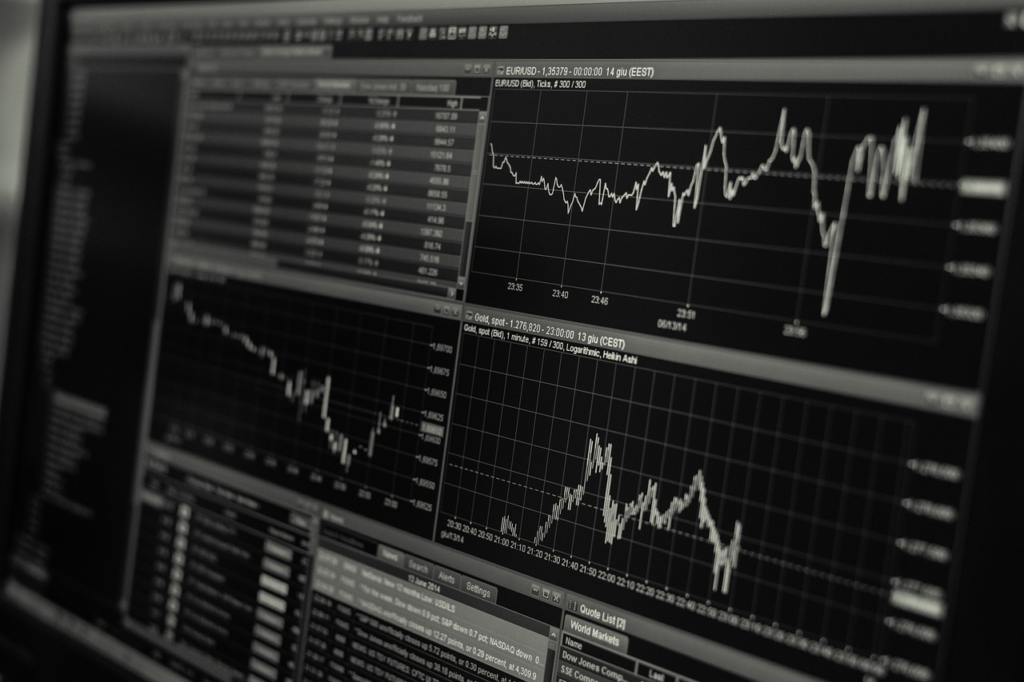
The primary purpose of trading is to profit from market trends, rather than holding an investment for an extended duration. Traders typically spend their time monitoring graphs, following market information, and making swift judgments.
Trading needs active involvement and dynamic power because prices can change fast.
What Is Investing?
Investing means putting cash into assets to hold them for a long period. Investors believe that the importance of their assets will grow over the period.

Instead of watching costs every day, investors concentrate on long term maturing. They often look at business arrangements, business stability, and prospects.
Investing is usually slower and calmer compared to trading.
Time Horizon: Short Term vs Long Term
One of the biggest differences between trading and investing is time.
Trading Time Frame
Traders usually hold positions for a short time. This could be a few minutes, several hours, or a few days. Some trades may last weeks, but rarely years.
Because trades are short, traders need to monitor the market often.
Investing Time Frame
Investors think in years, not days. They may hold an investment for five, ten, or even twenty years.
This long term strategy allows investors to skip daily price differences and focus on the transition over duration.
Level of Activity Required
Trading Requires Daily Attention
Trading is active. Traders often monitor markets every day and sometimes several times a day. They analyze graphs, follow trends, and work on open jobs.
If you enjoy fast decision-making and regular market involvement, trading may feel engaging.
Investing Is More Passive
Investing is more relaxed. Once investors determine their support, they do not need to watch the market continuously.
This makes investing just for people with active schedules or those who like less pressure.
Risk and Volatility
Both trading and investing affect chance, but the kind of risk is separate.
Trading Risk
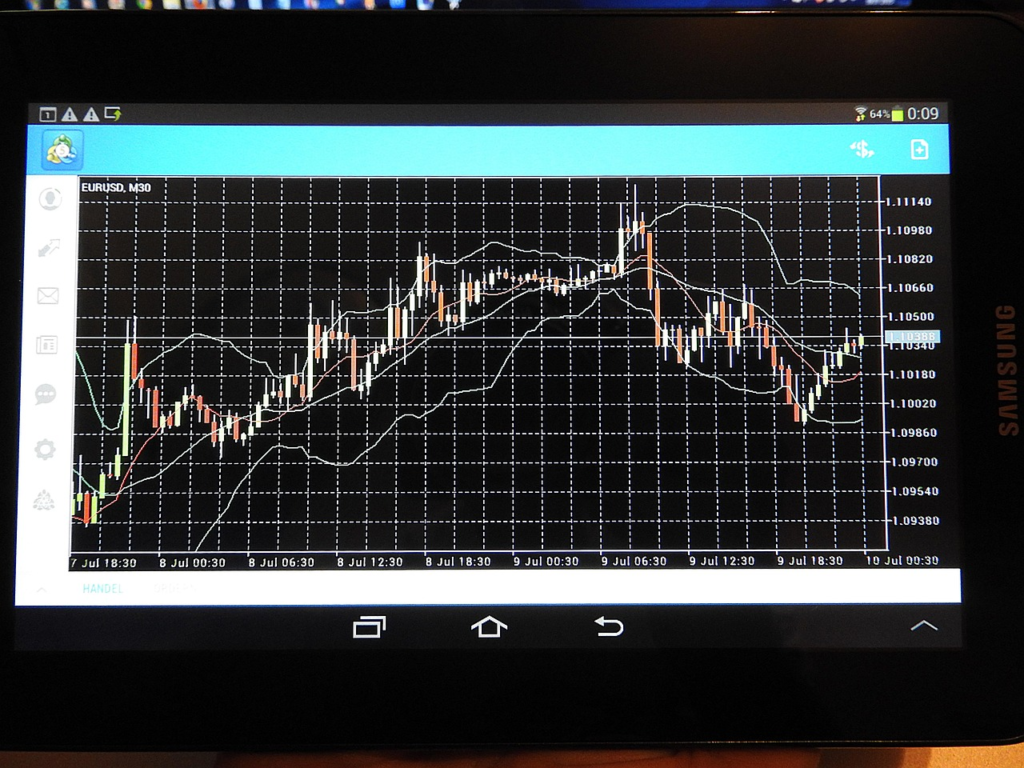
Trading faces short term price swings. Markets can reverse direction fast, leading to failures if timing is bad.
Emotional conclusions, overtrading, and the absence of discipline raise risk for retailers.
Investing Risk
Investing is influenced by long term factors like financial changes or business arrangements. While costs may drop temporarily, long term investors usually wait for healing.
Risk is still current, but it is distributed over a more extended time.
Skills and Knowledge Required
Skills Needed for Trading
Trading requires technical knowledge. Traders usually use charts, arrows, and price designs.
They also require strong dynamic control, tolerance, and field. One bad decision can affect results.
Skills Needed for Investing
Investing concentrates more on comprehending firms and long term movements. Investors study economic reports, market needs, and company growth.
Patience and character are more crucial than prompt responses.
Profit Expectations and Mindset
Trading Mindset
Traders look for frequent opportunities. Profits and failures happen additional frequently.
This needs accepting failures as part of the procedure and avoiding touching responses.
Investing Mindset
Investors focus on gradual growth. They are less concerned with daily price changes.
This mindset reduces stress and helps avoid panic during market drops.

Costs and Fees
Trading Costs
Trading often involves higher costs because of frequent buying and selling. These may include transaction fees and platform charges.
Over time, these costs can reduce overall returns.
Investing Costs
Investing usually has lower costs since assets are bought and held for long periods.
Lower activity means fewer fees.
Which One Is Better for Beginners?
There is no single solution. Both trading and investing have benefits and challenges.
Trading May Suit You If
- You can give time daily
- You enjoy learning market movements
- You can handle emotional pressure
Investing May Suit You If
- You prefer long-term planning
- You want less daily involvement
- You value steady growth over quick results
Many beginners start with investing because it is simpler and less stressful.
Can You Do Both?
Some people combine trading and investing. They invest a portion of their money for the long term and trade with a smaller amount.
This approach allows learning while reducing overall risk. However, it requires good planning and discipline.
Common Misunderstandings
Many believe trading always brings fast money or that investing is too slow to matter. Both ideas are incorrect.
Trading is not easy cash, and investing can be effective over a span. Success relies on understanding, tolerance, and realistic anticipations.
Conclusion
The difference between trading and investing lies in terms, process, and philosophy. Trading focuses on short term price trends and needs active involvement. Investing strives for long term development with smaller daily alerts.
Knowing first and controlling risk carefully is still more important than running into the demand.
Disclaimer
This article is for scholastic purposes. It does not supply financial guidance or guarantee outcomes. Financial needs involve danger, and texts should perform their own research or consult a competent professional before creating financial conclusions.